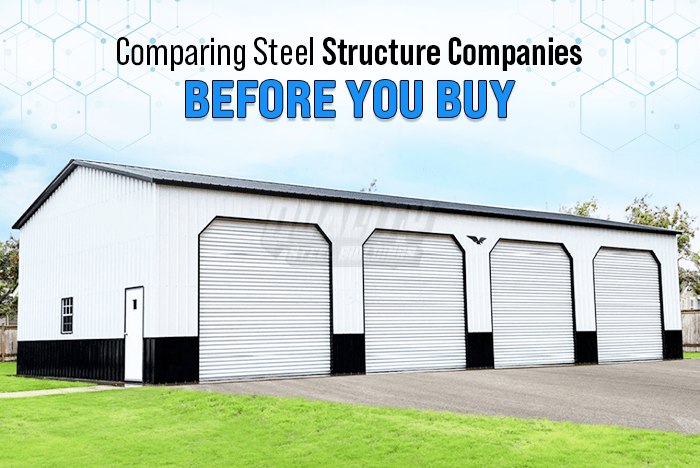
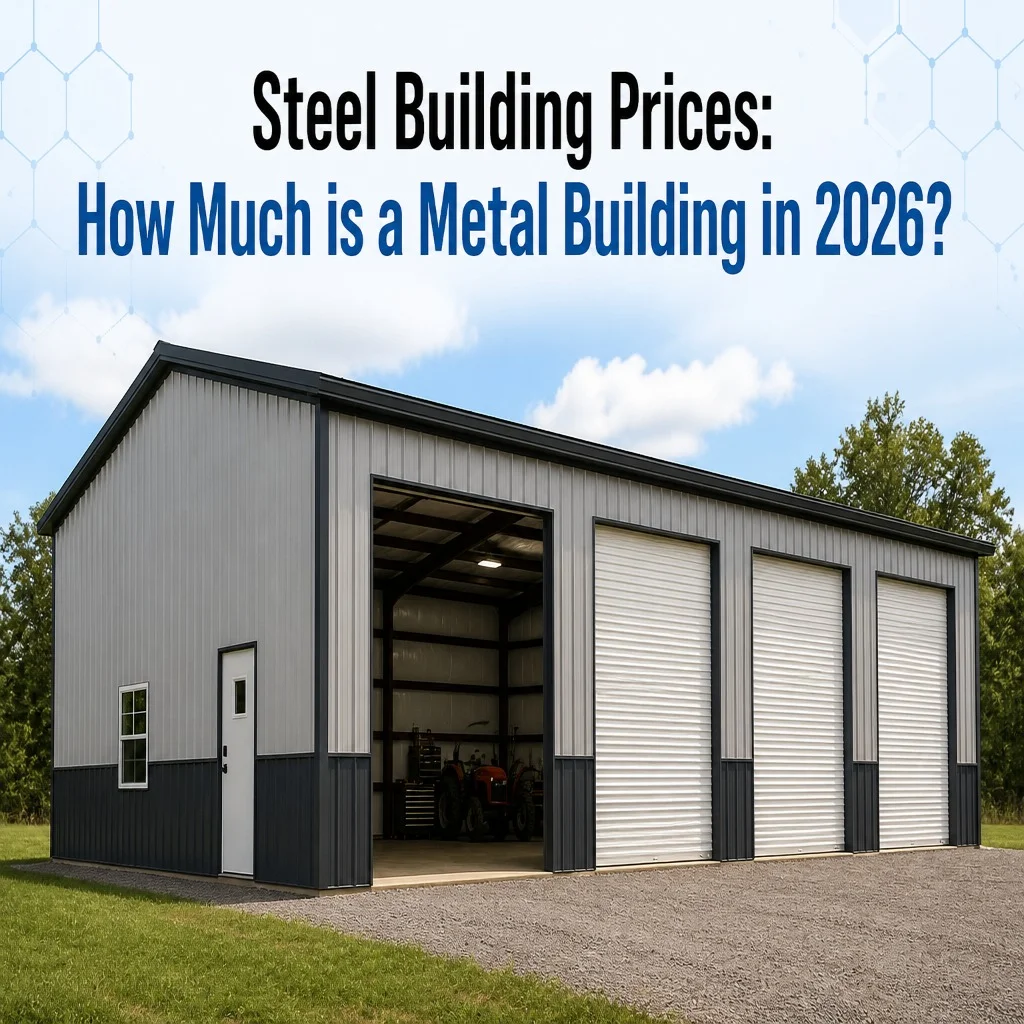
If you’re thinking about building a steel structure — whether it’s a 40×60 garage, storage shed, or workshop — one of the first things you’ll want to know is how much it’s going to cost. Prices for steel buildings can vary quite a bit depending on a few key factors, but the good news is, we’re here to break it down and give you a realistic idea of what to expect in 2026.
This isn’t just some generic price guide. Having worked on hundreds of projects, we’ve seen the ins and outs of steel building pricing, so you’ll get the real answers without the fluff.
What Impacts the Price of Steel Buildings?
When you ask about pricing, the first thing to know is that it’s not just the steel that affects the final price. Several other factors play a role. Here’s a breakdown of the key things that will influence how much you pay for your steel building.
1. Size of the Building
It’s pretty simple: the larger the building, the more expensive it is. The amount of steel and labor needed increases with size.
- Small Buildings (20×20 or 30×40): Typically used for garages, sheds, or small workshops and will cost less.
- Medium Buildings (40×60 or 50×100): Common for larger workshops, commercial garages, or farm buildings, and these tend to fall in the mid-price range.
- Large Buildings (100×200 or beyond): Used for warehouses, industrial spaces, or large commercial buildings, which require much more material, engineering, and labor.
2. Location
Where you build your steel structure plays a big role in determining the cost. Here’s why:
- Shipping Costs: If you’re building in a remote area, getting steel and materials to your site could cost more. Urban areas may see lower shipping costs.
- Labor Costs: Labor rates vary by region. In urban areas with high demand, you might pay more for skilled workers than in rural regions.
- Local Regulations: Some cities or counties have stricter building codes, which might require extra permits or modifications, adding to the cost.
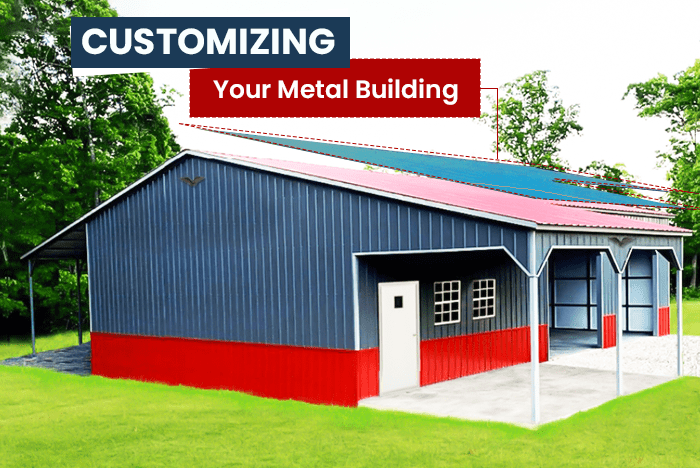
3. Design & Customization
If you’re just looking for a basic steel building, it will cost less. But the more customized the building, the higher the price will be.
- Roof Style: A simple gable roof is the most cost-effective. Vertical roofs or custom designs increase price.
- Insulation: Insulation improves energy efficiency but adds to the price. It’s essential for cold storage or extreme climates.
- Windows and Doors: Adding windows or custom roll-up doors increases overall cost.
4. Foundation & Site Prep
Your foundation is a major part of the overall cost. It’s crucial for the longevity of your building.
- Concrete Slab: The most common choice — durable and ensures level installation. Expect to pay $5–$8 per square foot depending on local pricing and slab thickness.
- Gravel or Dirt Pads: More affordable, but must be leveled and compacted properly to prevent shifting.
Steel Building Prices by Size
Here’s a rough idea of what you can expect to pay for a steel building based on size. Remember, these are average estimates and can vary depending on your location, customization, and site prep:
| Size | Typical Use | Price Range |
|---|---|---|
| 20×20 | Small garage or storage shed | $5,000 – $12,000 |
| 30×40 | Workshop or storage building | $7,000 – $18,000 |
| 40×60 | Commercial garage, workshop | $10,000 – $30,000 |
| 50×100 | Larger warehouse or industrial space | $20,000 – $50,000 |
| 100×200 | Large commercial/industrial buildings | $50,000 – $200,000 |
Financing Your Steel Building
Not everyone can drop the full price upfront, and that’s totally fine. If you need financing, there are several options to explore:
- Traditional Bank Loans: Standard construction loans.
- In-House Financing: Many suppliers offer flexible in-house financing plans.
- Rent-to-Own Programs: Great for smaller buildings or flexible payment options.
Pro Tip: Check your financing options before locking in a deal — terms can vary, and it’s worth comparing.
What’s Affecting Steel Building Prices in 2026?
1. Steel Prices and Global Market Conditions
The price of steel fluctuates based on supply and demand. Changes in the global market, tariffs, and production can cause prices to rise or fall. Always check steel prices before committing to your purchase.
2. Labor Costs
Labor is a big part of the overall cost. If you’re building in an area where labor is in high demand, installation might cost more. Getting multiple quotes from contractors helps ensure a fair deal.
Frequently Asked Questions (FAQs)
Q: Do I need a concrete slab for my steel building?
A: Not always, but for most larger builds like a 40×60 garage, a concrete slab is the most stable and reliable option. Gravel pads work for smaller structures, but for something heavy-duty, concrete is usually the better choice.
Q: How tall should my garage be?
A: For a 40×60 garage, a 14′ height is standard. This gives plenty of room for taller vehicles like RVs and trucks. You can go with 12′ if you don’t need extra clearance, but it may limit future storage.
Q: How many doors do I need?
A: A 40×60 garage typically includes three roll-up doors for easy access and one walk-in door for convenience.
Q: How long does it take to install a 40×60 garage?
A: Once the site is prepped, installation usually takes about 3–5 days, depending on weather and site conditions.
Final Thoughts on Steel Building Costs
Steel buildings are a fantastic investment that can last for decades, but understanding the costs up front is key. By knowing the factors that affect pricing, you can plan your project more effectively and avoid surprises.
Ready to get started on your 40×60 garage or any other steel building project? Request a free quote today — we’ll help guide you through the entire process with expert support and transparent pricing.